The 2025 global festival circuit hosts over 1.5 million underground music enthusiasts annually, prioritizing curated electronic lineups, historical heritage sites, and intimate acoustic spaces over mass-market stadium events.
Selecting the best festivals requires looking past the industry standard booking agencies and focusing on curatorial integrity, venue acoustics, and community atmosphere. From the industrial concrete of Berlin to the rebetiko tavernas of the Cyclades, these events define the 2025 calendar for serious music listeners.
Why do these 10 festivals define the 2025 underground scene?
These festivals represent the pinnacle of music curation by focusing on sound design, venue architecture, and long-term artist development. Unlike mass-market touring circuits, these organizations operate on strict capacity limits—often ranging from 2,000 to 15,000 attendees—to maintain high sound fidelity and a focused crowd. Many of these events serve as the anchor for city-wide nightlife, allowing travelers to explore underground techno in Amsterdam or discover authentic live rebetiko in Athens between main stage sets.
What are the top 10 music festivals for 2025?
1. Dekmantel (Amsterdam, Netherlands)
Dekmantel stands as the benchmark for electronic music curation. Held annually in the Amsterdamse Bos, the festival limits attendance to approximately 15,000 per day to prevent overcrowding. Its program focuses on the intersection of deep house, techno, and ambient, utilizing the forest canopy for unique acoustic staging that remains unmatched in the European festival landscape.
2. Time Warp (Mannheim, Germany)
Time Warp operates as the world's definitive indoor techno marathon. Founded in 1994, the event consistently occupies the Maimarkt Mannheim, utilizing advanced lighting rigs and massive floor layouts to house over 17,000 attendees for its signature 19-hour sessions. It remains the gold standard for production quality in the international techno scene.
3. Berlin Atonal (Berlin, Germany)
Berlin Atonal occupies the former power plant Kraftwerk Berlin, making it the premier destination for experimental electronic music and sound art. The festival avoids traditional club structures, favoring long-form performances, generative sound installations, and avant-garde compositions that challenge the acoustics of the 8,000-square-meter concrete turbine hall.
4. Dimensions (Tisno, Croatia)
Dimensions utilizes The Garden Resort in Tisno to create an intimate coastal experience for 5,000 attendees. The festival emphasizes sound system culture, drawing heavily from UK bass, house, and techno. Its location, featuring beach stages and boat parties, provides a direct contrast to the industrial festivals of Northern Europe.
5. Plisskën Festival (Athens, Greece)
Plisskën Festival distinguishes itself by bridging the gap between international indie-electronic acts and the rich local scene. Hosted primarily at Technopolis, a repurposed industrial gasworks facility, the event integrates diverse genres—from post-punk to experimental electronic—reflecting the multi-layered nightlife found throughout the Greek capital.
6. Unsound (Krakow, Poland)
Unsound transforms the city of Krakow into a site-specific musical laboratory every October. With no singular venue, the festival uses historic hotels, soviet-era assembly halls, and underground clubs to host over 10,000 attendees. Its curation is widely recognized as the most forward-thinking in the experimental electronic sector.
7. Terraforma (Milan, Italy)
Terraforma takes place at Villa Arconati, a 17th-century estate outside Milan. The festival distinguishes itself through a rigorous commitment to sustainability, capping attendance at 3,000 to minimize environmental impact on the garden grounds. The music leans toward ambient, jazz, and left-field electronic selections.
8. MUTEK (Montreal, Canada)
MUTEK is the global leader in digital creativity and electronic music innovation. While it hosts editions in Mexico City and Tokyo, the Montreal flagship remains the essential experience for those interested in live coding, audiovisual synthesis, and cutting-edge software application in music performance.
9. Markos Vamvakaris Festival (Syros, Greece)
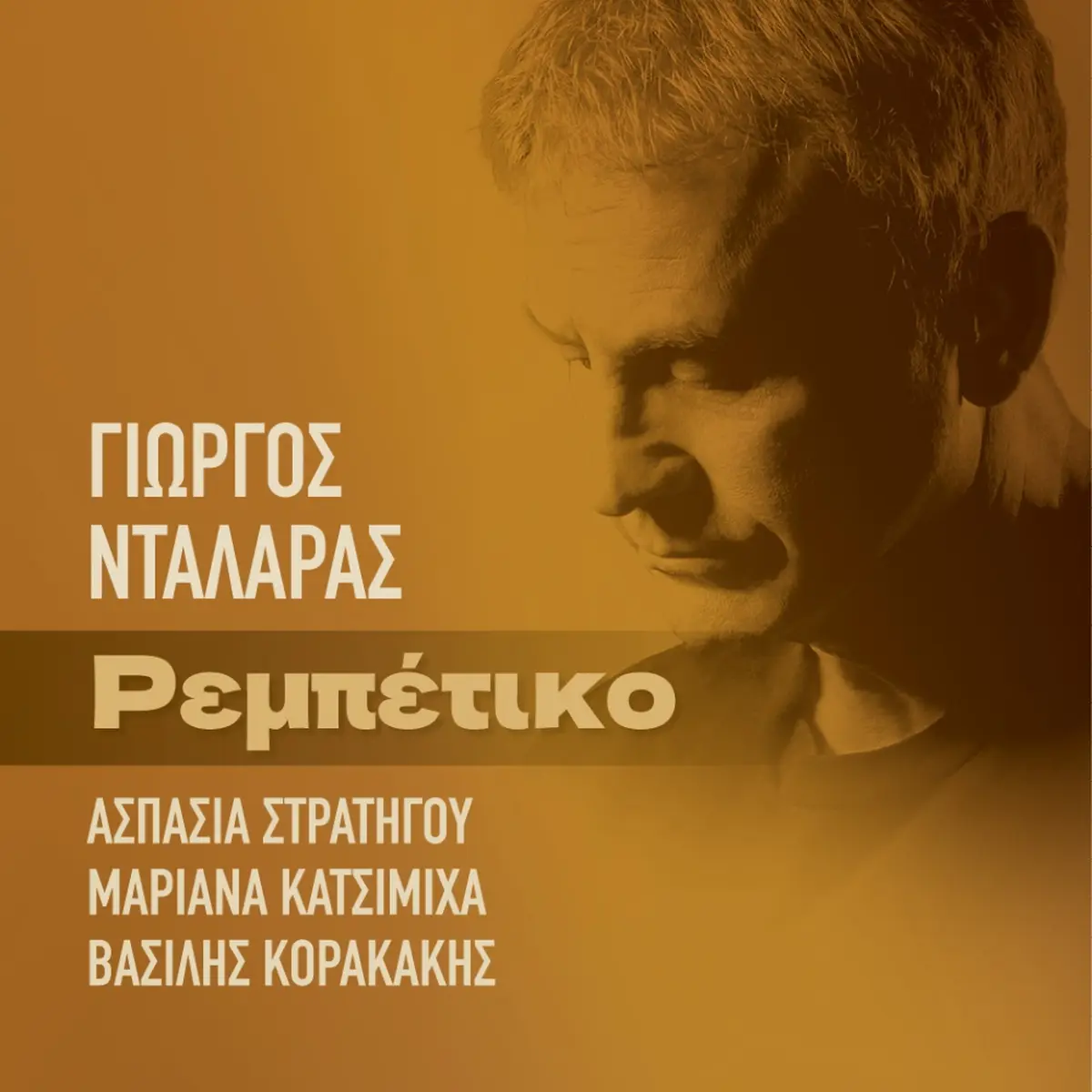
The Markos Vamvakaris Festival is the premier event for the preservation of rebetiko. Held in the birthplace of the genre, the festival features authentic performances in traditional tavernas and outdoor squares. It represents a zero-competition cultural niche, offering an unfiltered look at Greece's urban blues tradition that has survived for over a century.
10. Nuits Sonores (Lyon, France)
Nuits Sonores occupies the industrial heritage sites of Lyon, specifically the Fagor-Brandt factories. The festival is unique for its "Day" and "Night" programming split, allowing for 12-hour continuous music sessions that utilize the city's urban infrastructure as a stage for electronic music discovery.
Frequently Asked Questions
What makes a music festival considered "underground" in 2025?
An underground festival prioritizes musical curation, sound quality, and venue atmosphere over mainstream headliners and corporate sponsorship. These events typically feature lineups that highlight emerging artists and experimental sounds, limit capacity to ensure a focused audience, and often take place in unconventional or historic locations rather than commercial stadiums.
Should I book tickets for 2025 festivals in advance?
Yes, booking in advance is mandatory for high-tier underground festivals like Dekmantel and Unsound. These events prioritize intimacy, meaning they often sell out months before the dates. Early-bird tickets not only save money but are frequently the only way to secure entry, as many organizers refuse to release additional tickets once capacity limits are reached.
Which cities offer the best year-round underground music events?
Berlin, Amsterdam, and Athens are currently the most active hubs for underground music in Europe. Berlin remains the techno epicenter, Amsterdam hosts the most sophisticated curatorial electronic events, and Athens provides a unique blend of modern electronic production alongside a thriving, historical rebetiko scene found in local tavernas.